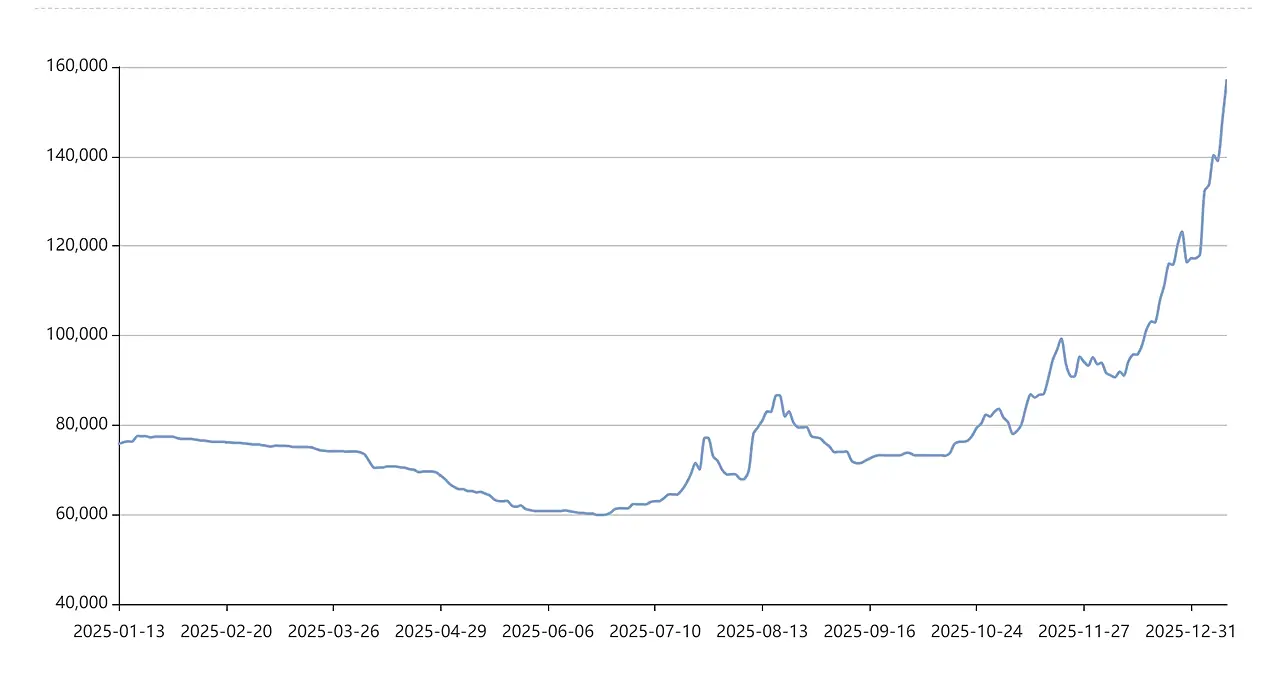
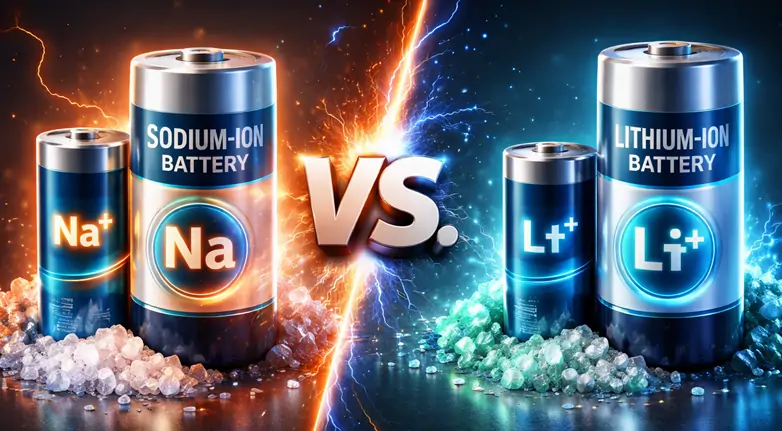
Sodium ion battery is often mentioned as an alternative to lithium ion battery. In the past six months, the significant rebound in the price of raw materials for lithium ion battery may lead to an increase in lithium ion battery prices. Meanwhile, sodium ion battery is gradually moving from the laboratory stage to the early stages of commercialization. These combined factors have brought sodium ion battery increasingly into the public eye. Next, we will take a detailed look at these two types of batteries through a multi-faceted comparison of sodium ion and lithium ion battery.
Core Principles and Structure
Core Principle
Both sodium-ion batteries and lithium-ion batteries are based on a “rocking-chair” charge-discharge mechanism. (For a detailed understanding of the working principle of sodium-ion batteries, please click: How does Sodium ion Battery Work?) During charging, alkali metal ions (Li⁺ or Na⁺) are extracted from the positive electrode and embedded into the negative electrode through the electrolyte; the discharge process is the reverse. However, the differences in the physicochemical properties of the ions themselves (such as ionic radius, standard electrode potential, and mass) are the root cause of their differences.
The ionic radius of Na⁺ (sodium ion) is 1.02 Å, and the ionic radius of Li⁺ (lithium ion) is 0.76 Å. Na⁺ is larger than Li⁺, so it is more difficult for it to be embedded/extracted in the crystal structure, which easily leads to larger structural volume changes.
The standard electrode potential of Na⁺ (sodium ion) is -2.71 V (vs. SHE), and the standard electrode potential of Li⁺ (lithium ion) is -3.04 V (vs. SHE). The potential of Na⁺ is higher, which leads to the operating voltage and energy density of sodium-ion batteries usually being lower than those of lithium-ion batteries.
The atomic weight of Na⁺ (sodium ion) is 22.99 g/mol, and the atomic weight of Li⁺ (lithium ion) is 6.94 g/mol. Na⁺ is heavier, which is also one of the reasons why the mass energy density of sodium-ion batteries is lower than that of lithium-ion batteries.
Material
Both sodium-ion batteries and lithium-ion batteries have several types of cathode materials due to differences in their chemical composition and technological routes. However, generally speaking, the cathode materials for lithium-ion batteries are more expensive, and their resources are limited and easily constrained. Sodium-ion battery cathode materials, on the other hand, are abundant, evenly distributed, and low in cost.
Regarding anode materials, lithium-ion batteries mainly use graphite; while sodium-ion batteries, due to graphite’s incompatibility with sodium ion intercalation, currently mainly use hard carbon. In this aspect, sodium-ion batteries have higher costs, which is one of the key bottlenecks in their technological maturity and cost control.
The electrolyte in sodium-ion batteries is very similar to that of lithium-ion batteries, but it uses sodium salts instead of lithium salts, resulting in lower costs.
Because aluminum forms alloys with lithium at low potentials, lithium-ion battery current collectors generally use copper foil. Sodium ions do not have this effect, so sodium-ion battery current collectors usually use cheaper aluminum foil, which directly reduces material costs and battery weight.
Energy Density
Whether LFP or NCM, lithium-ion batteries have a higher energy density than sodium-ion batteries. The gravimetric energy density of sodium-ion batteries is approximately 20-40% lower than that of lithium-ion batteries, and the volumetric energy density difference is even greater.
While the energy density of sodium-ion batteries is gradually improving with technological advancements, it faces a theoretical limit due to the inherent properties of sodium, which is one of the drawbacks of sodium-ion batteries.
Cycle Life
The cycle life of batteries is affected by various factors, including chemical composition, manufacturing technology, and operating environment.
The cycle life of lithium-ion batteries typically ranges from 3,000 to 10,000 cycles, with lithium iron phosphate (LFP) lithium-ion batteries exhibiting particularly outstanding cycle life. Sodium-ion batteries typically have a cycle life of 2,000 to 6,000 cycles. Some sodium-ion battery manufacturers claim their batteries can achieve a cycle life of up to 10,000 cycles.
Currently, the cycle life of lithium-ion batteries is generally slightly superior to that of sodium-ion batteries.
Temperature
The operating temperature range of a battery significantly impacts its application scenarios.
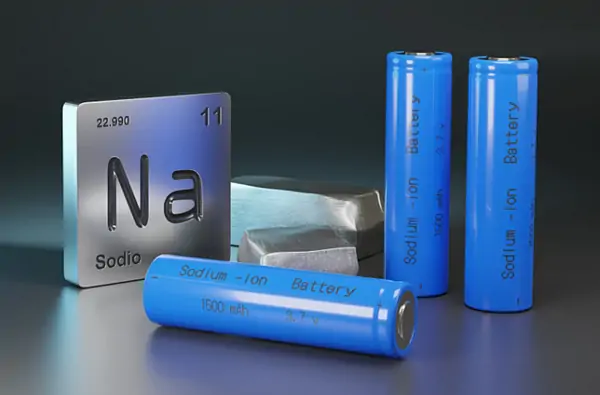
Sodium-ion batteries have a wider operating temperature range compared to lithium-ion batteries, especially exhibiting a clear advantage at low temperatures. The electrolyte in sodium-ion batteries has better conductivity at low temperatures, maintaining approximately 90% of its capacity at -40°C. Among lithium-ion batteries, NMC batteries perform reasonably well at low temperatures but have poor thermal stability; LFP batteries have relatively better thermal stability, but their performance is less ideal at low temperatures, which affects their overall performance.
In general, sodium-ion batteries perform better than lithium-ion batteries in low-temperature environments. However, lithium-ion battery technology is constantly improving, and with well-developed supporting products, they can still be used in some extreme environments while managing temperature effectively.
Charging and Discharging
Theoretically, Na⁺ ions have a smaller Stokes radius and lower interfacial impedance, resulting in higher ion mobility in some electrolytes. Therefore, sodium-ion batteries have faster charging speeds, and their fast-charging potential is superior to that of lithium-ion batteries.
Sodium-ion batteries have relatively better tolerance to overcharging and over-discharging, and some systems can withstand a wider voltage range. However, excessive charging and discharging will still affect performance and lifespan, and may even lead to dangerous situations. Lithium-ion batteries are more sensitive to overcharging and over-discharging; overcharging can cause swelling, and over-discharging can lead to irreversible capacity loss. Therefore, proper battery system design and management are crucial for lithium-ion batteries.
Cost
As we analyzed earlier in this article, sodium-ion batteries theoretically have a cost advantage over lithium-ion batteries. However, in the actual market, you’ll find that the price difference between the two is not significant. Why is this?
Firstly, the scale of sodium-ion battery production is far smaller than that of lithium-ion batteries, making it impossible to spread out equipment, R&D, and manufacturing costs. Key materials specific to sodium-ion batteries (such as hard carbon anodes and specific cathodes) have not yet formed the efficient, low-cost, and stable supply chain that lithium-ion batteries enjoy. This directly drives up production costs. Currently, sodium-ion batteries are in the early stages of industrialization, and their theoretical cost advantage is being offset by the reality of small production scale and an immature supply chain.
Secondly, after 2023, the price of lithium carbonate fell sharply from its peak. Although the price has rebounded somewhat, it has not returned to its previous high. This has restored the cost advantage of lithium-ion batteries, directly compressing the space for sodium-ion batteries to demonstrate their cost advantage.
The price of sodium-ion batteries is the result of the combined effects of external market changes and internal development stages.
Application
Lithium-ion batteries are widely used in various applications, including consumer electronics, electric vehicles, and energy storage, and remain the absolute mainstream in the market. Due to their high energy density, lithium-ion batteries are the preferred choice for applications with strict requirements for space, long battery life, and portability.
Sodium-ion batteries are currently more commonly found in specific application scenarios, such as energy storage or specialized equipment in cold regions requiring high low-temperature performance, or in low-speed electric vehicles where space is not a constraint. If the cost advantage of sodium-ion batteries becomes apparent in the future, large-scale energy storage applications with high demands on cost, lifespan, and safety, but low energy density requirements, will be the ideal “main battlefield” for sodium-ion batteries.
Purchasing Considerations
When purchasing sodium-ion batteries, you’ll be making a choice in a rapidly developing but not yet fully mature market. The following points should help you in your decision-making process.
Product Quality
Currently, there are numerous manufacturers producing sodium-ion batteries. Can these companies reliably scale up their laboratory technology to mass production? What is the actual quality of their sodium-ion batteries? Do they meet the performance specifications they claim? These are all crucial considerations before purchasing.
For manufacturers of sodium-ion battery cells, choosing companies with dedicated production lines and extensive experience in material consistency control and process optimization is the first guarantee of product quality. Following this, testing and trialing battery samples to observe whether they meet the specifications is equally important.
Related Products
Currently, the entire ecosystem for sodium-ion batteries is not yet mature, and the supporting infrastructure is still incomplete. Lithium-ion batteries, on the other hand, have a complete range of supporting products, such as chargers, battery management systems, thermal management systems, inverters, converters, and communication modules. Sodium-ion batteries initially adopted the same supporting products, product standards, transportation methods, and certification processes as lithium-ion batteries. Although related supporting products are now gradually becoming available, and the situation is much better than before, it is still recommended to confirm the availability, sustainability, and pricing of supporting products before purchasing sodium-ion cells for battery packs or systems, to avoid potential problems later on.
Requirement
Before choosing a sodium-ion battery, it’s helpful to clarify your specific battery needs.
For newly developed projects, in addition to the points mentioned above, it’s recommended to consider whether the performance and specifications of the sodium-ion battery are suitable, and whether continuous production is feasible. A sodium-ion battery that has already been mass-produced and received positive market feedback would be even better.
If you are replacing a previous battery product, please consider whether it is compatible with your existing equipment. This includes checking the physical dimensions, voltage, capacity, and charger compatibility. Blindly replacing the battery may lead to negative consequences. For example, an incompatible voltage could prevent the device from starting or damage the controller.
Summary
The above is a comparison of sodium-ion batteries and lithium-ion batteries. Currently, both have their own advantages. Lithium-ion batteries boast high energy density, a mature industrial chain, and a well-established ecosystem. Sodium-ion batteries offer advantages in low-temperature performance and material potential. Sodium-ion batteries are not a complete replacement for lithium-ion batteries, but rather an important complement and extension. In the future, will the sodium-ion battery industrial chain gradually mature and its cost advantages become apparent? Or will lithium-ion batteries experience new technological breakthroughs? Let’s wait and see!